Eyeing a home in Prospect Bay but not sure what the HOA covers or how the amenities work? When you buy in a gated, amenity-rich community, the details behind the dues matter as much as the view. In this guide, you’ll learn how the HOA typically operates, which amenities may require separate fees, the documents to request, and the questions to ask before you write an offer. Let’s dive in.
Prospect Bay snapshot
Prospect Bay is a planned, gated community in Grasonville, within Queen Anne’s County on Maryland’s Eastern Shore. The location appeals to buyers who value waterfront access, boating, and a golf-centered lifestyle with convenient access to the Western Shore via the Chesapeake Bay Bridge. If you are comparing Eastern Shore neighborhoods, you are likely balancing lifestyle perks with ongoing costs, rules for use, and long-term resale potential.
How the HOA is structured
Prospect Bay is governed by recorded documents that set the rules for owners and the association. Expect a Declaration of Covenants, Conditions and Restrictions, Bylaws, and a Rules and Regulations handbook. An elected Board of Directors oversees operations, often with help from a professional management company.
Maryland statutes and county ordinances can shape what the HOA can do and what it must disclose. For waterfront homes, local zoning and floodplain regulations also matter. Before you make an offer, confirm which rules apply to your property type and intended use.
What dues usually include
Every HOA is different, but dues in amenity communities often support day-to-day operations and common-area maintenance. That can include gate operations or security, community landscaping, private road upkeep, snow removal, and trash services. Dues may also help cover common-area insurance and routine maintenance of recreational spaces.
Some services are handled separately. Items like golf, marina slips, and certain social programming often come with their own contracts and fees. Always verify what is included in the base HOA assessment and what is optional or billed on top.
Amenities to verify
Golf and clubhouse
If golf access is important, confirm whether the course and clubhouse are part of the HOA or operated by a separate club. Ask if access is included with dues or if there are initiation and monthly or annual fees. Also confirm guest policies, tee-time priority, and whether memberships transfer at resale.
Marina and water access
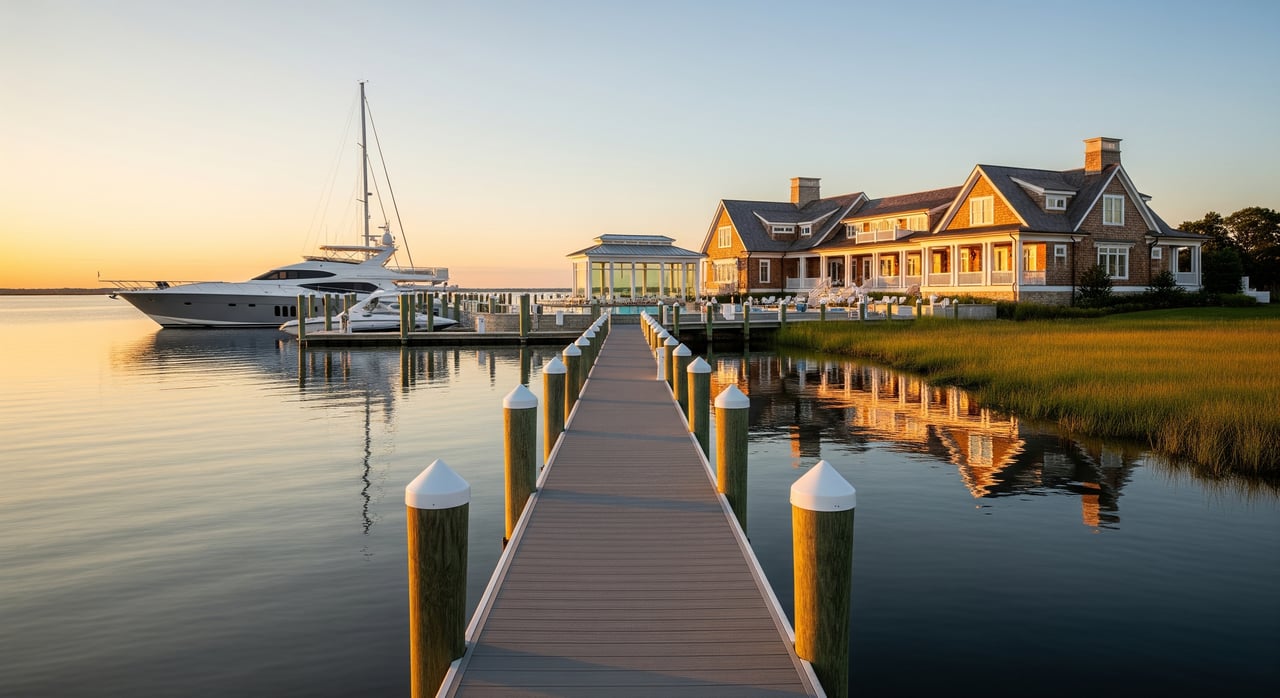
Waterfront communities can offer boat slips, storage, or launch points. Find out if slips are owned or leased, whether there is a waitlist, and what size and usage rules apply. Ask about dredging, bulkhead upkeep, and who pays for shoreline maintenance near your home.
Recreation and social spaces
Pools, fitness rooms, tennis or pickleball courts, walking paths, playgrounds, and community gathering areas are common. Verify hours of operation, any user fees, and seasonal staffing changes. Ask how event traffic and parking are handled during busy months.
Security and services
Gated entry, private roads, landscaping of common areas, and trash collection may be provided community-wide. Clarify what the HOA maintains versus what owners must handle. Confirm vendor schedules and procedures for guests and contractors.
Costs beyond the HOA dues
- Golf or club memberships may require a separate application, initiation fee, and recurring dues.
- Marina slips can carry lease or ownership costs, insurance requirements, and maintenance obligations.
- Insurance for your property is separate from the HOA’s master policy. Waterfront homes may need flood insurance, which can be a meaningful recurring expense.
- At closing, some communities charge transfer, capital contribution, or resale/estoppel fees. Ask for these in writing early in negotiations.
Documents to request before you offer
Request these items as early as possible. They help you understand current obligations and future risk.
- Declaration of Covenants (CC&Rs): The core property-use rules, including architectural controls and owner obligations.
- Bylaws and Rules & Regulations: Governance procedures, elections, meetings, and day-to-day rules for pets, parking, noise, and exterior changes.
- Current operating budget and recent financials: Shows how dues are spent and whether operations are stable.
- Most recent reserve study and policy: Indicates long-term capital needs and whether reserves are adequately funded.
- Board meeting minutes for 12–24 months: Reveals upcoming projects, enforcement trends, and signs of disputes or maintenance deferrals.
- Resale or estoppel certificate: Confirms dues amounts, payment schedules, and whether any assessments or violations are outstanding.
- Association insurance summary: Defines what the master policy covers so you can plan your own dwelling, contents, liability, and flood coverage.
- Litigation disclosures: Flags legal risks that may lead to assessments or insurance changes.
- Architectural Review Committee guidelines: Clarifies timelines and criteria for exterior work, including docks, fences, or additions.
- Rental and guest policies: Outlines lease caps, minimum terms, and any short-term restrictions.
- Amenity list and any separate contracts: Golf club membership terms and marina slip lease or sale rules, including transferability.
- Common-area map: Shows boundaries and which roads, docks, or bulkheads are HOA-maintained.
Top questions to ask
Financial and assessments
- What is the current assessment schedule and what services does it include?
- Are any special assessments planned? Has the HOA used special assessments in the past 5 to 10 years?
- When was the last reserve study, and how well funded are reserves?
- What does the master insurance policy cover, and what should I insure separately?
- Are there transfer, capital contribution, or resale/estoppel fees at closing?
Amenities and memberships
- Which amenities are included in the dues and which require separate contracts?
- If I want a boat slip, is there a waitlist, fee schedule, size limit, and can rights transfer at sale?
- Are golf or club memberships transferable or tied to the individual owner?
Use, rental, and governance
- What are the rental rules, including minimum terms or caps?
- What are the ARC requirements and typical approval timelines for exterior changes?
- How are rules enforced and what are typical fines or penalties?
- How is the Board elected, and is there a professional management company?
Maintenance responsibilities
- Who maintains bulkheads, docks, and shoreline erosion control near my home?
- Which roads are private versus public and who pays to repave them?
- Are there major capital projects planned in the next 3 to 5 years?
Risk and regulations
- Is the property in a FEMA flood zone and will the lender require flood insurance?
- Are there wetlands, riparian setbacks, or other permitting constraints on improvements?
Quality of life
- What are typical seasonal patterns for clubhouse events and tournament schedules?
- How are parking, guest access, and contractor hours handled?
- What security measures are in place at the gate and within the community?
Watch for red flags
- Minimal reserves paired with major projects noted in the minutes.
- Ongoing or escalating litigation that could affect dues or operations.
- Frequent special assessments or high turnover on the Board.
- Unclear rules about who pays for shoreline, bulkhead, or dock work.
- Restrictions that conflict with your intended use, such as rental plans or boat size.
Local factors in 21638
Waterfront properties on the Eastern Shore are often in FEMA flood zones. Lenders may require flood insurance, and premiums vary by elevation, construction, and claims history. Ask for any elevation certificates or prior flood claims associated with the property.
Shoreline improvements typically require county or state permits. Confirm Queen Anne’s County requirements for docks, bulkheads, and erosion control before planning changes. Seasonality can also affect how amenities operate and how busy the community feels throughout the year.
Buyer timeline checklist
- Verify what the HOA dues include and identify any separate amenity fees.
- Request CC&Rs, Bylaws, Rules, budget, reserve study, minutes, and insurance summary.
- Order or review the resale/estoppel certificate for current dues and assessments.
- Confirm flood zone status and obtain any elevation certificates.
- Speak with the club and marina about memberships, waitlists, and transfer rules.
- Get quotes for homeowners, umbrella, and flood insurance.
- Review ARC guidelines for any planned exterior changes.
- Budget for closing fees, potential assessments, and seasonal utility or maintenance swings.
Make a confident move
Prospect Bay offers a sought-after Eastern Shore lifestyle, but the right due diligence makes all the difference. With clear documents, straight answers, and a solid understanding of fees and rules, you can buy with confidence. If you want local perspective and a detailed plan for your search, reach out to Chuck Mangold, Jr. for personal guidance.
FAQs
What does the Prospect Bay HOA usually cover?
- Dues often support common-area maintenance, private roads, gate operations, trash service, and insurance for shared spaces. Always verify the exact inclusions in writing.
Is golf access included in Prospect Bay dues?
- Not always. Many communities treat golf as a separate membership with its own initiation and dues. Confirm whether memberships are optional, required, or transferable.
How do marina slips work for buyers?
- Rules vary. Ask if slips are owned or leased, whether there is a waitlist, size limits, guest policies, and if slip rights transfer at sale.
Are rentals allowed in Prospect Bay?
- Most HOAs allow leasing with rules. Review the rental policy for minimum terms, caps, guest access, and any short-term restrictions before you offer.
Do I need flood insurance on the Eastern Shore?
- Many waterfront homes are in FEMA flood zones, and lenders may require flood insurance. Check flood maps and request any elevation certificates or claims history.
What HOA-related fees might I pay at closing?
- Common fees include a resale or estoppel certificate, plus potential transfer or capital contribution fees. Ask for a written breakdown early in negotiations.