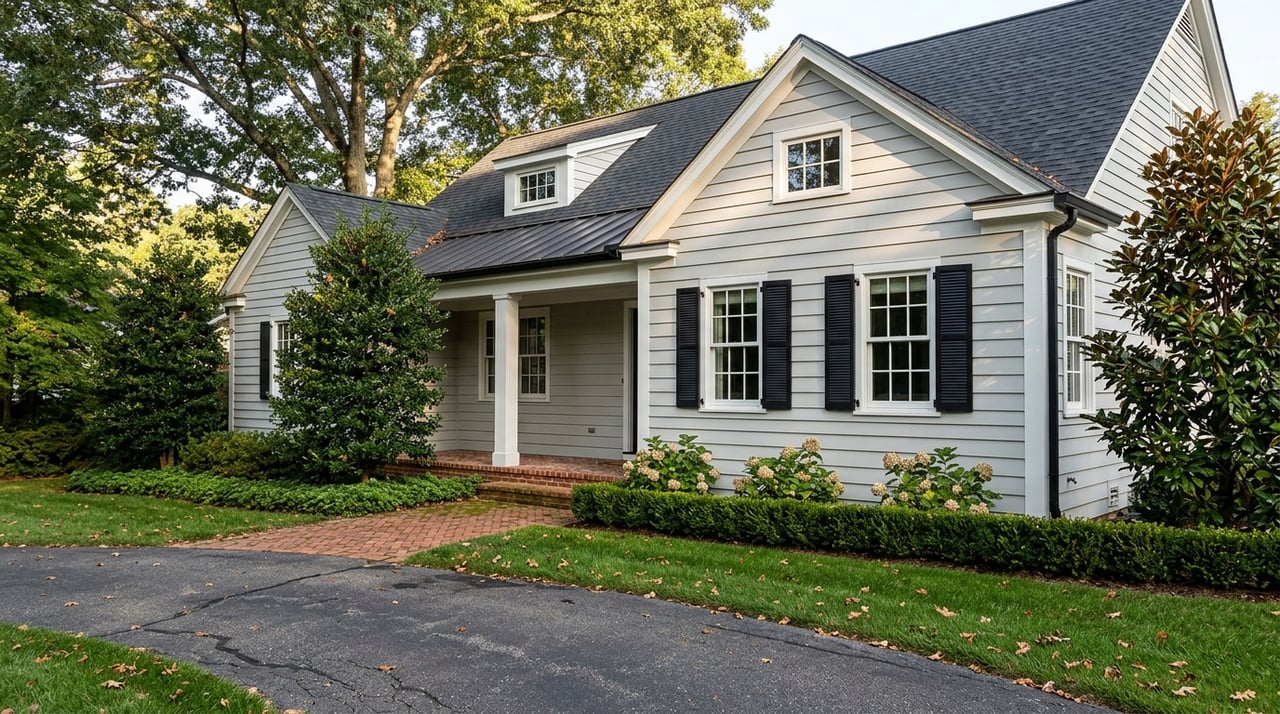
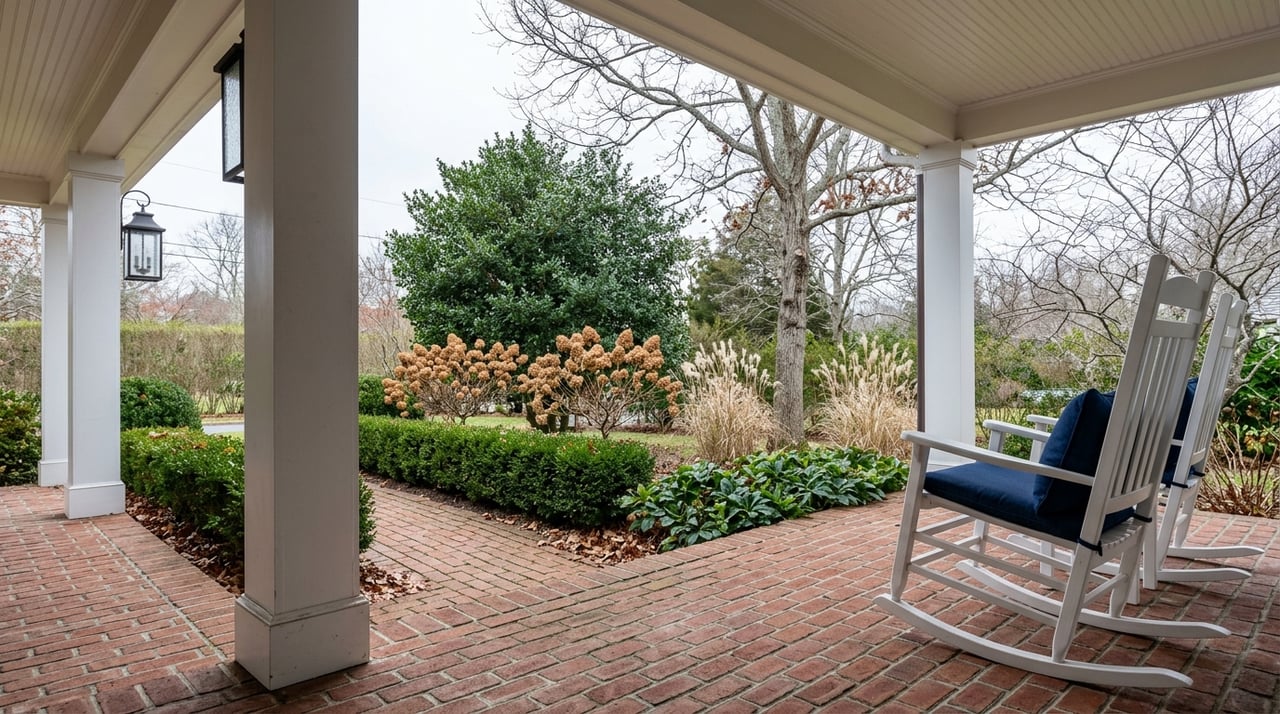
Thinking about a move to Easton Club East in Easton, MD? Buying in a 55+ community is exciting, but it also comes with unique rules, documents, and risk checks you don’t want to miss. With a clear plan, you can move in with confidence and avoid surprises.
This guide gives you a step-by-step checklist tailored to 55+ living in Talbot County’s 21601 area. You’ll learn what to request from the HOA, which inspections to order, how to evaluate flood and insurance needs, and the timing to keep your purchase on track. Let’s dive in.
Why a 55+ checklist matters
Age-restricted communities operate under specific federal standards, community rules, and insurance structures. On Maryland’s Eastern Shore, you also need to factor in flood risk, storm impacts, and local service providers. A focused checklist helps you:
- Verify the community’s 55+ status and policies.
- Evaluate the HOA’s financial health and rules.
- Plan inspections and insurance for Eastern Shore conditions.
- Confirm utilities, monthly costs, and accessibility needs.
- Align financing, timelines, and closing tasks with Maryland requirements.
Quick buyer checklist for Easton Club East
Use this as your roadmap from first tour to closing.
Before you tour
- Clarify your priorities: single-level living, low maintenance, clubhouse access, or walking routes to services.
- Ask your agent to confirm how age restrictions work and what documents you will receive during the review period.
- Prepare your financing and talk with a lender about 55+ community requirements.
When you are serious about a home
- Request the full HOA document set and resale certificate.
- Order inspections that fit Maryland and Eastern Shore conditions.
- Get insurance quotes for homeowner’s and flood coverage.
- Review rules that affect your lifestyle and long-term plans.
Before you close
- Confirm HOA dues, any assessments, and master insurance coverage.
- Verify repairs, permits, and past maintenance on key systems.
- Check utility providers and expected monthly costs.
- Revisit accessibility plans and any approval steps for modifications.
Understand 55+ rules and HOPA
Federal law allows communities to qualify as housing for older persons if they meet specific criteria. The Housing for Older Persons Act (HOPA) is central to 55+ communities.
Key items to verify:
- At least 80% of occupied units have at least one resident who is 55 or older.
- The community publishes and follows policies that show it is intended for older persons.
- The HOA keeps records and can provide occupancy statistics and written policies.
Action steps:
- Ask for written confirmation that Easton Club East is represented as a 55+ community.
- Request evidence of HOPA compliance, including current occupancy data and the published policies.
- Review any rules that affect guests, long-term visitors, or occupants under 55.
HOA governance: documents to review
A strong HOA protects your investment. Gather and review these items as soon as you go under contract:
- CC&Rs, bylaws, and rules and regulations.
- Current operating budget, most recent reserve study, and fee history.
- List of special assessments from the last 3–5 years and planned capital projects.
- Board meeting minutes for the last 12–24 months.
- Master insurance declarations page and a summary of what the master policy covers vs. what owners must insure.
- Rental and leasing policies, including any occupancy restrictions.
- Age-verification procedures and HOPA documentation.
- Management contract and property manager contact.
- Any pending or threatened litigation.
- The Maryland resale certificate or estoppel certificate showing dues status and association standing.
Red flags to watch for:
- Low reserves or no recent reserve study.
- Repeated or large special assessments without a clear capital plan.
- Significant or unresolved litigation.
- Gaps in master insurance or unclear owner responsibilities.
- Ambiguous or missing HOPA documentation.
Property inspections for Eastern Shore conditions
A thorough inspection plan reduces risk and helps you budget for future updates.
Recommended inspections and checks:
- General home inspection covering roof, structure, HVAC, plumbing, and electrical.
- Termite and wood-destroying insect inspection, common in the region’s climate.
- Radon testing, recommended for Maryland homes.
- Mold or air-quality testing if there is a moisture history.
- Sewer connection check: confirm whether the home connects to municipal sewer or a private system.
- Roof, window, and insulation review for energy performance and maintenance needs.
- Flood and elevation review: obtain a flood zone determination and ask for any Elevation Certificate on file.
Ask the seller or HOA for:
- Recent maintenance records for roof and HVAC.
- Any past water intrusion reports, repair invoices, or drainage improvements.
- Elevator maintenance records if you consider a multi-story building with elevator access.
Flood risk and insurance in 21601
Flood risk is a key consideration on the Chesapeake Bay’s Eastern Shore. Even if a home is not in a designated high-risk zone, tidal flooding and severe storms can still cause damage.
Your flood plan:
- Determine the FEMA flood zone for the property and whether your lender will require flood insurance.
- Consider flood insurance even if it is optional.
- Ask the HOA about stormwater systems, past storm repairs, and any flood mitigation projects.
- Get quotes for both homeowner’s and flood policies early in your review period.
Master insurance vs. your policy
Understand where the HOA’s coverage stops and yours begins. This affects your costs and your lender’s requirements.
Questions to answer:
- Does the master policy cover “all-in” (including some interior components) or “bare walls” only?
- Who covers building shell, common areas, liability, and interior finishes?
- Do you need loss assessment coverage for special assessments tied to insured events?
- What are the deductibles, and how are they shared among owners if a claim affects multiple homes?
Tip: Share the master policy declarations with your insurance agent so your personal policy fills any gaps.
Accessibility and aging in place
Choose a home that supports comfort and mobility now and later.
What to evaluate:
- Entry steps, thresholds, and door widths.
- Bathroom layout and feasibility of adding grab bars or a seated shower.
- Bedroom location relative to main living areas.
- Elevator access if considering a multi-level building.
Confirm with the HOA:
- Approval steps for exterior ramps or railings.
- Whether interior accessibility updates require notice or approval.
- Any style guidelines for visible modifications.
Utilities and monthly costs to confirm
Map out services and recurring expenses before you commit.
- Electric provider and typical seasonal costs.
- Heating fuel type and age of equipment.
- Water and sewer provider and current rates.
- Trash and recycling services, including bulk item policies.
- Internet and cable options, including availability of high-speed service important for telehealth.
- HOA fee inclusions, such as grounds care, snow removal, or amenities.
Lifestyle and local services in Easton
Location is part of the value in 21601. Easton offers dining, arts, shopping, and community events in and around downtown. Nearby towns on the Shore add more day-trip and cultural options. For healthcare, the University of Maryland Shore Medical Center at Easton serves as the area’s primary hospital, with urgent care and specialists in the region.
If amenities are important to you:
- Verify what Easton Club East offers today, any usage fees, and guest policies.
- Ask about social clubs, fitness access, walking paths, and event calendars.
- Review parking, pet policies, and rules for visiting family.
Financing and lender requirements
Some loans require extra HOA review. Plan ahead to avoid delays.
- Ask your lender whether the HOA meets conventional, VA, or FHA requirements for your loan type.
- If you might consider a reverse mortgage later, know that HECM borrowers must be at least 62.
- Confirm any owner-occupancy or rental limits that may affect financing.
- Request recent resale data from your agent to understand demand and time on market for similar homes.
Maryland disclosures and your review window
Maryland law sets rules for HOA and condominium disclosures and gives buyers a period to review association documents. Timing can vary, so build this into your contract.
Your action plan:
- Ask your agent or a Maryland real estate attorney to confirm the required resale disclosures and your review period.
- Start document review and insurance quotes as soon as you receive the resale certificate.
- If serious issues appear, discuss your contract options within the allowed timelines.
Timeline: from offer to closing
- Early stage: Engage a local agent, line up financing, and request HOA documents immediately after your offer is accepted.
- Inspection period: Schedule general and specialty inspections, order flood determination, and begin insurance quotes.
- Document review: Evaluate budget, reserves, board minutes, rules, and insurance with your agent or attorney.
- Final stretch: Clear any repair requests, confirm dues and assessments are paid, and ensure the title company receives the resale certificate.
Key questions to ask the seller and HOA
- Is the community represented as 55+, and is there proof of HOPA compliance and current occupancy statistics?
- What are the current HOA fees, what do they cover, and what is the reserve fund status?
- Are there pending or recent special assessments or major capital projects?
- What does the master insurance policy cover, and what must owners insure individually?
- Are pets, rentals, and long-term guests restricted?
- Are accessibility modifications allowed, and what is the approval process?
- Is the home in a FEMA flood zone, and has there been any water intrusion?
- Who manages the HOA, and how responsive is management to owner requests?
- Does the HOA meet lender requirements for my loan type?
Work with local pros who know 21601
Buying into a 55+ community is smoother when your team understands local rules and HOA processes. Consider:
- A Talbot County agent experienced with 55+ and HOA transactions.
- A Maryland real estate attorney for condo and HOA review.
- A licensed home inspector, plus radon, termite, and mold specialists as needed.
- An insurance agent familiar with master policies and flood coverage on the Eastern Shore.
- Your lender or financial advisor to align financing with long-term plans.
Ready to take the next step in Easton Club East? For clear guidance, timely answers, and local insight built on 24+ years and 1,500+ successful transactions, reach out to Chuck Mangold, Jr.. Let’s make your 55+ move confident and straightforward.
FAQs
What does HOPA mean for buying in a 55+ community?
- HOPA requires that at least 80% of occupied homes have one resident 55 or older and that the community maintains policies and records proving it is intended for older persons.
Which HOA documents should I review before buying in Easton Club East?
- Ask for CC&Rs, bylaws, rules, current budget, reserve study, meeting minutes, master insurance, resale certificate, rental rules, age-verification policies, and any litigation updates.
Is flood insurance required for homes in 21601?
- It depends on the FEMA flood zone and your lender, but flood coverage is worth considering even outside high-risk zones due to regional tidal and storm impacts on the Eastern Shore.
What inspections are recommended for Talbot County homes?
- A general home inspection plus termite, radon, and mold testing as needed; confirm sewer connection, review roof and HVAC age, and check for any water intrusion history.
How do master insurance and owner policies work in a 55+ HOA?
- The HOA’s master policy covers common elements and sometimes the building shell, while owners insure interior finishes and personal property, so confirm whether the policy is “all-in” or “bare walls.”
What local services matter most for 55+ living in Easton?
- Access to healthcare at the area hospital, reliable transit options, walkable routes to shops and services, and community amenities like social clubs or fitness all factor into daily life.