Leave a Message

By providing your contact information to Chuck Mangold, Jr., your personal information will be processed in accordance with Chuck Mangold, Jr.'s Privacy Policy. By checking the box(es) below, you consent to receive communications regarding your real estate inquiries and related marketing and promotional updates in the manner selected by you. For SMS text messages, message frequency varies. Message and data rates may apply. You may opt out of receiving further communications from Chuck Mangold, Jr. at any time. To opt out of receiving SMS text messages, reply STOP to unsubscribe.

Thank you for your message. I will be in touch with you shortly.

Move-Up Buyers’ Guide To Easton Village Real Estate

March 5, 2026

Thinking about trading up to a bigger home or a better lot in Easton Village? You are not alone. Many Easton and Talbot County owners want more space, newer finishes, or easier water access without jumping to seven-figure waterfront estates. In this guide, you will see what move-up buyers pay in Easton Village, how the amenities compare, and the smartest ways to line up your sale and next purchase.

Let’s dive in.

Why Easton Village appeals to move-up buyers

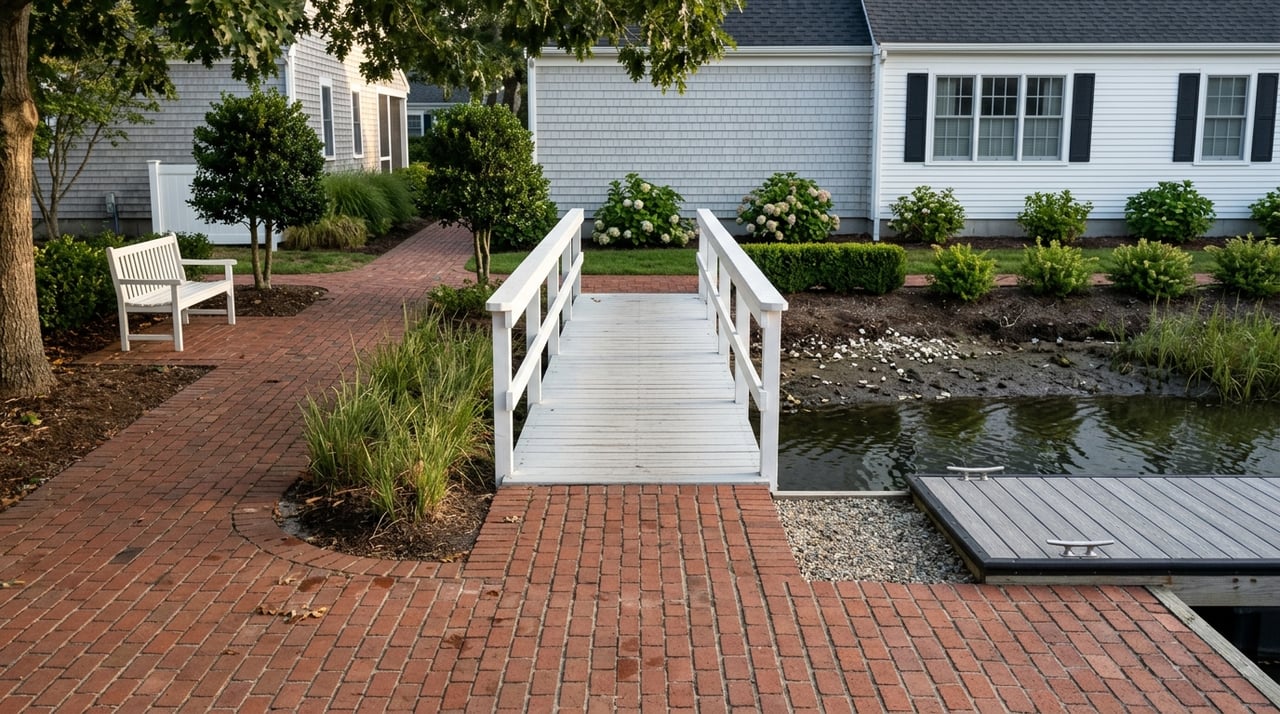
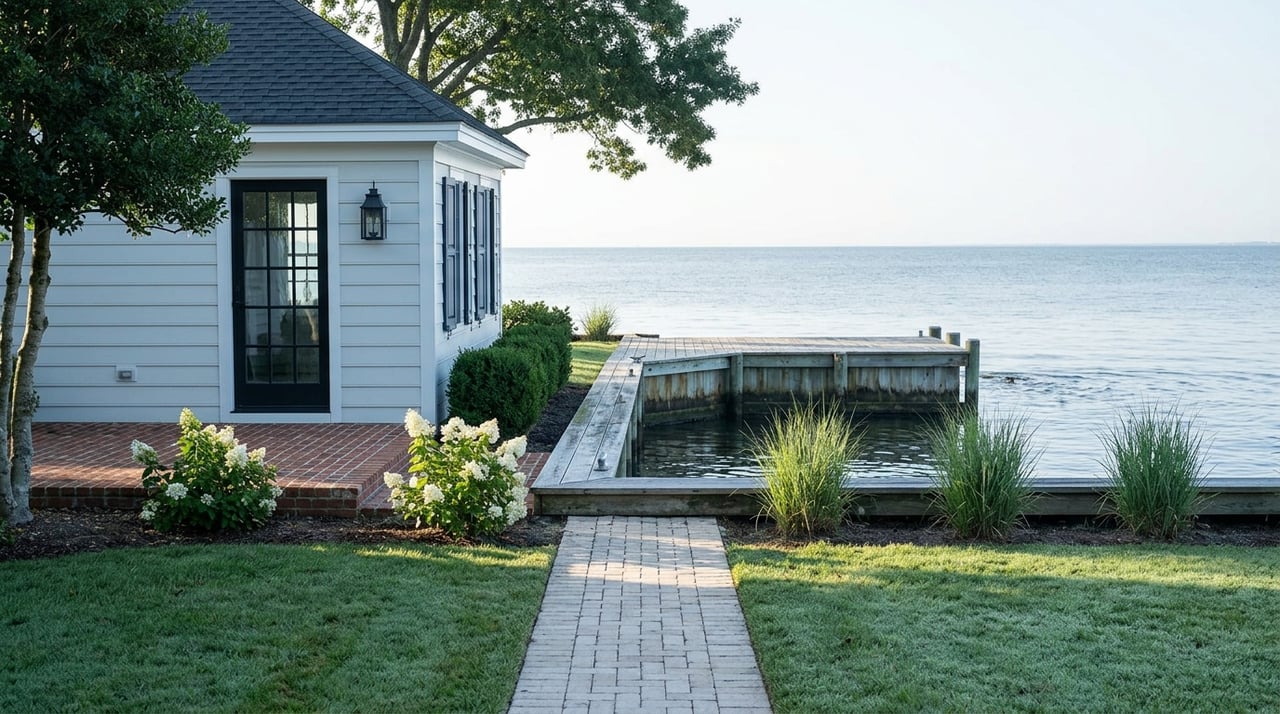
Easton Village offers a water-oriented lifestyle with on-site recreation and green space. Marketing and neighborhood pages highlight a clubhouse with pool, fitness center, walking trails, preserved wetlands, and kayak and marina access. If you want weekend-friendly amenities without private-estate upkeep, this setup delivers. You also stay close to Easton’s downtown arts, dining, and shops.

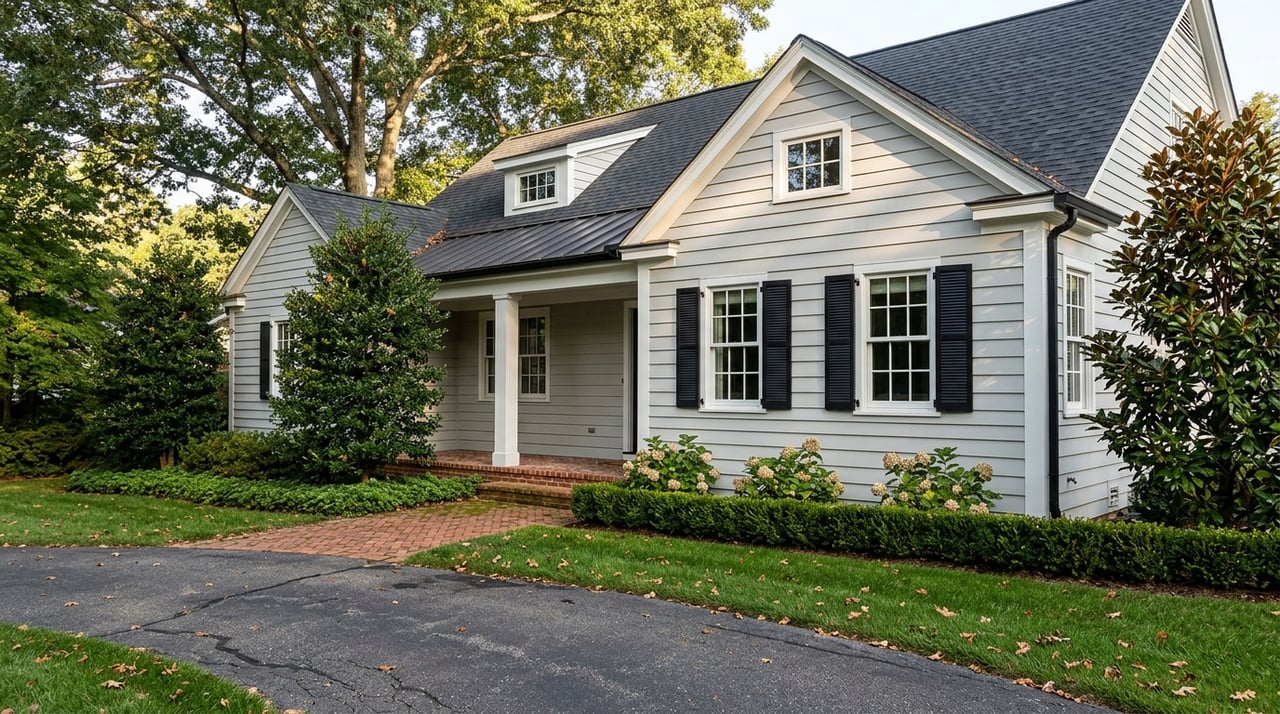
Easton Village mixes single-family homes and attached models from multiple builders, with most homes built from the mid-2000s forward. Stock commonly ranges from 2 to 4 bedrooms and about 1,600 to 3,500 square feet or more. For a quick community snapshot and HOA context, review the neighborhood overview on Neighborhoods.com’s Easton Village page.

Amenities and water access matter to many buyers here. Local builder descriptions call out a multi-slip marina, preserved open space, and community kayak facilities, which help explain the lifestyle draw for Easton Village families and second-home owners. You can preview the amenity lineup on Beacon Pointe Homes’ Easton Village community page.

What homes cost in Easton Village

Most move-up purchases in Easton Village fall roughly between 550,000 and 900,000 dollars. That range reflects recent neighborhood data and current listing activity for the 21601 ZIP. Mid-600,000s is a common median for resales, while premier homes on better lots, larger floor plans, or select water-influenced locations trend higher. Neighborhood aggregators note that some builder offerings have started lower during promotions, while premium or waterfront-adjacent opportunities push into the low 800,000s or above.

For a price and HOA overview grounded in local data, see Neighborhoods.com’s Easton Village profile.

What drives price differences

  • Size and layout. Larger 3 to 4 bedroom homes with bonus spaces command more.
  • Lot and setting. Proximity to water, views, and preserved open space often adds value.
  • Water status. Direct water frontage, water adjacency, or simple access can each price differently.
  • Age and finishes. Newer builds, updated kitchens and baths, and outdoor living upgrades can bump the value.

Waterfront vs non-waterfront basics

Easton Village is often described as water-access or water-oriented rather than universally waterfront. Some homes may offer water frontage or water views. Many others are non-waterfront but enjoy neighborhood kayak launches, trails along wetlands, and marina access options. Confirm whether a specific lot is direct tidal water, a pond edge, or a wetland margin, since that affects value, permitting, and insurance. You can see how the community presents these features on Beacon Pointe Homes’ Easton Village page.

Key due diligence items for water-influenced lots

  • Flood risk and insurance. Flood-zone placement can affect lending and premiums. Check Talbot County’s FEMA flood resources and ask for any elevation certificate or flood-insurance history tied to the property. Start with the county’s flood information portal.
  • Marina and slip rights. Community slips can carry separate fees, rules, and possible waitlists. Ask the HOA or marina contact to confirm slip location, depth, assigned usage, transferability, and ongoing costs. Marketing mentions a multi-slip marina, but always verify current availability and terms with the association.
  • Utilities. Many Easton-area new builds are on public water and sewer, but this is parcel specific. Some listing notes in Easton Village cite public sewer connections. Review the listing details and confirm with the seller and town or county. For a representative example of how utilities may be described in active or past listings, see this Easton Village listing page.

How Easton Village compares nearby

Easton Village vs Easton Club

Easton Club is a larger, established neighborhood with a golf focus and community amenities. Its price band can overlap, spanning roughly mid-400,000s to upper ranges depending on unit type and finishes. If you like organized amenities and a club environment, compare HOA rules, fees, and lifestyle features side by side. You can explore the club’s community context on the Easton Club site.

Easton Village vs downtown Easton

Downtown Easton offers historic homes and immediate walkability to arts and dining. Prices vary widely and renovation needs can be significant. Some downtown options may price below newer Easton Village models, while the best renovated or rare locations can exceed them. Easton Village delivers a more suburban layout with on-site recreation and green space.

Easton Village vs private waterfront estates

Prime private waterfront estates near Easton, St. Michaels, and Oxford often list well into seven figures, with private docks and deep-water access. Easton Village fills a niche for buyers who want water access and amenities without the commitment and cost of a large private estate. For broader Easton market context and neighborhood snapshots, review Benson & Mangold’s Easton overview.

Strategy: how to buy your next home while selling

Choosing the right sequence can save money and stress. Here are the main paths move-up buyers use, with tradeoffs to discuss with your lender and agent.

Sell first, then buy

You list and close on your current home before you buy your next one. You avoid carrying two mortgages and know your exact proceeds. The tradeoff is possible temporary housing or a faster purchase timeline once you sell. This approach fits risk-averse sellers or a balanced market.

Buy first with bridge or buy-before-you-sell programs

Bridge loans or buy-before programs unlock equity so you can make a non-contingent offer, move once, and then sell your current home. These solutions carry fees and short-term costs, so compare the true cost against a HELOC or other financing. For an overview of bridge-loan pros and cons, see Rocket Mortgage’s guide to bridge loans. If you are considering a buy-before program, read HomeLight’s explanation of how buy-before-you-sell works.

Make a contingent offer

If the market and seller allow it, you can make your purchase contingent on selling your current home. Expect shorter contingency windows and a seller “kick-out” clause if a stronger offer appears. This path limits overlap costs but can be less competitive than cash or bridge-backed offers. HomeLight outlines common structures and timelines in its contingent-offer guide.

Financing prep for Easton Village

Before you shop, get clear on what your budget looks like if the sale and purchase do not align perfectly. Ask your lender to:

  • Pre-approve you for the target purchase price and model a worst-case scenario where you carry two payments for a short period.
  • Include HOA dues, potential flood insurance, and Talbot County property taxes in your debt-to-income modeling.
  • Compare options for bridge financing, HELOCs, and buy-before programs, including fees and repayment triggers.

Your sell-side checklist before you move up

A clean, well-timed sale of your current home sets up a smoother purchase.

  1. Get a local CMA and a net-proceeds estimate. Ask for a Bright MLS-driven CMA that uses nearby comps and reflects market timing in Talbot County. For strategy and timing insights, review our guide on pricing strategy for Easton Village sellers.
  2. Order a pre-listing inspection and handle obvious repairs. Fix items that are likely to surface during buyer inspections, like roof issues, drainage, HVAC service, and safety items. This reduces surprises during your purchase timeline.
  3. Stage key rooms and boost curb appeal. The National Association of Realtors reports that staging often reduces time on market and can increase offers. See the NAR staging profile summary for data-driven context.
  4. Nail the first two weeks on market. The opening 7 to 14 days often set the tone for showings and offers. Monitor feedback and be ready to adjust pricing or presentation quickly.

HOA and closing details to confirm early

  • HOA documents and fees. Request CC&Rs, budget, reserves, dues, any special-assessment history, transfer fees, and rules on docks, exterior changes, and rental restrictions. Neighborhood snapshots suggest dues are commonly in the low hundreds per month, but confirm the exact current figure for the property in question. You can get a general HOA overview on Neighborhoods.com.
  • Flood status. Pull the flood map for the specific lot and ask for an Elevation Certificate if available. Flood status can change lending requirements and insurance costs. Start with the county’s flood information page.
  • Utilities and services. Confirm water and sewer connections, plus any HOA responsibilities vs homeowner responsibilities for exterior maintenance or docks. Some Easton Village listings state public sewer; verify each parcel. This representative listing detail shows how utilities may be noted.

Sample timelines to plan your move

  • Sell first. Prep and list in weeks 0 to 4, accept an offer in weeks 2 to 6, close in the next 30 to 45 days, then buy with proceeds in hand. You avoid overlap, but you may need short-term housing.
  • Buy first with bridge or buy-before. Get program pre-approval in days, write a clean offer, close in 30 to 45 days, then list your current home after you move. Compare fees and the cost of carrying two homes for a short period. Review bridge-loan pros and cons and buy-before program mechanics.
  • Contingent offer with kick-out. Submit your offer contingent on selling with a short window to remove the contingency if the seller gets another offer. This works in less competitive conditions or when you want to avoid bridge costs.

The bottom line for 21601 move-up buyers

If you want amenities, water access, and a newer home feel without the cost and upkeep of a private waterfront estate, Easton Village is a strong fit. Expect a working budget of about 550,000 to 900,000 dollars for most move-up scenarios, with premiums for larger floor plans and better water influence. Focus early on financing, HOA due diligence, and a tight sell-side plan to keep your timeline smooth.

When you are ready to explore specific homes, pricing, and timelines, work with a local advisor who lives this market every day. With 24-plus years and more than 1,500 closed transactions across the Mid-Shore, Chuck Mangold, Jr. can help you price your sale, structure the right purchase, and negotiate smartly in Easton Village.
FAQs

What makes Easton Village attractive for move-up buyers?

  • You get on-site amenities, preserved open space, and water access, along with a mix of newer single-family and attached homes that appeal to owners upgrading within 21601.

How much should I budget to upsize in Easton Village?

  • Most move-up purchases land around 550,000 to 900,000 dollars, with median resales often in the mid-600,000s and premiums for larger homes and water influence. Check current comps to fine-tune your target.

Is every home in Easton Village waterfront?

  • No. The community is water-oriented with some waterfront or water-adjacent lots, plus neighborhood access points like a kayak launch and marina. Always confirm a specific lot’s water status and any slip rules.

Will I need flood insurance for an Easton Village home?

  • It depends on the FEMA flood zone and your lender. Check Talbot County’s flood maps and ask for an Elevation Certificate or policy history. Waterfront or water-affected lots are more likely to require coverage.

What are typical HOA dues in Easton Village?

  • Neighborhood snapshots suggest dues often run in the low hundreds per month, but each property can differ. Review the HOA budget, reserves, dues schedule, and any transfer fees before you make an offer.

What is the best strategy to buy in Easton Village while selling my current home?

  • You can sell first, buy first with a bridge or buy-before program, or write a contingent offer. The right path depends on your finances and market conditions. Model costs with your lender and discuss timelines with your agent.

Work With Chuck

Get assistance in determining current property value, crafting a competitive offer, writing and negotiating a contract, and much more. Contact me today.