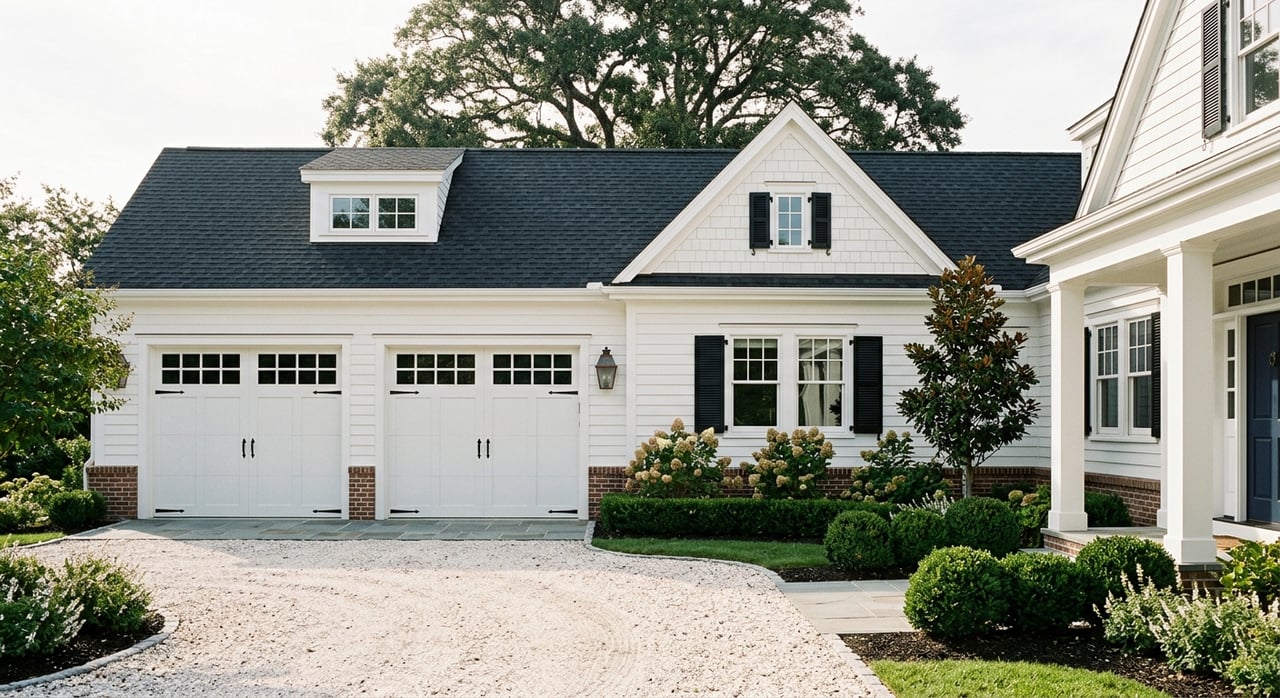
Cookes Hope HOA Guidelines for Buyers and Sellers
April 16, 2026
April 16, 2026
Trying to figure out what you can and cannot change on a home in Cooke’s Hope? You are not alone. For many buyers and sellers, HOA rules and design standards feel manageable until a fence, pool, paint change, or tree project enters the picture. This guide walks you through how Cooke’s Hope HOA documents, Maryland disclosure rules, and Easton permitting can intersect so you can move forward with more confidence. Let’s dive in.
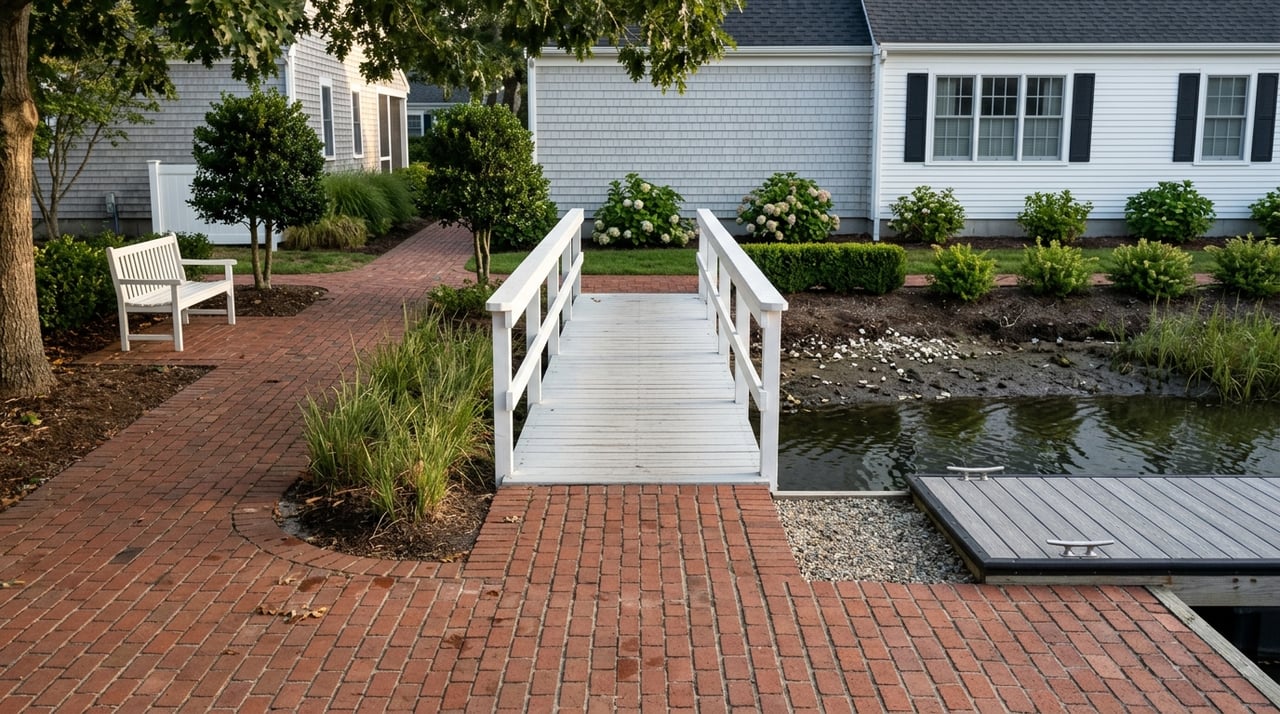
Cooke’s Hope is a community in Easton, Maryland, set on more than 475 acres and organized into The Village, The Galloways, and Springfield, according to the official community website. The same site highlights shared amenities such as a community room, central post office, Little Library, fitness center, tennis and pickleball courts, walking trails, ponds, and a community dock.
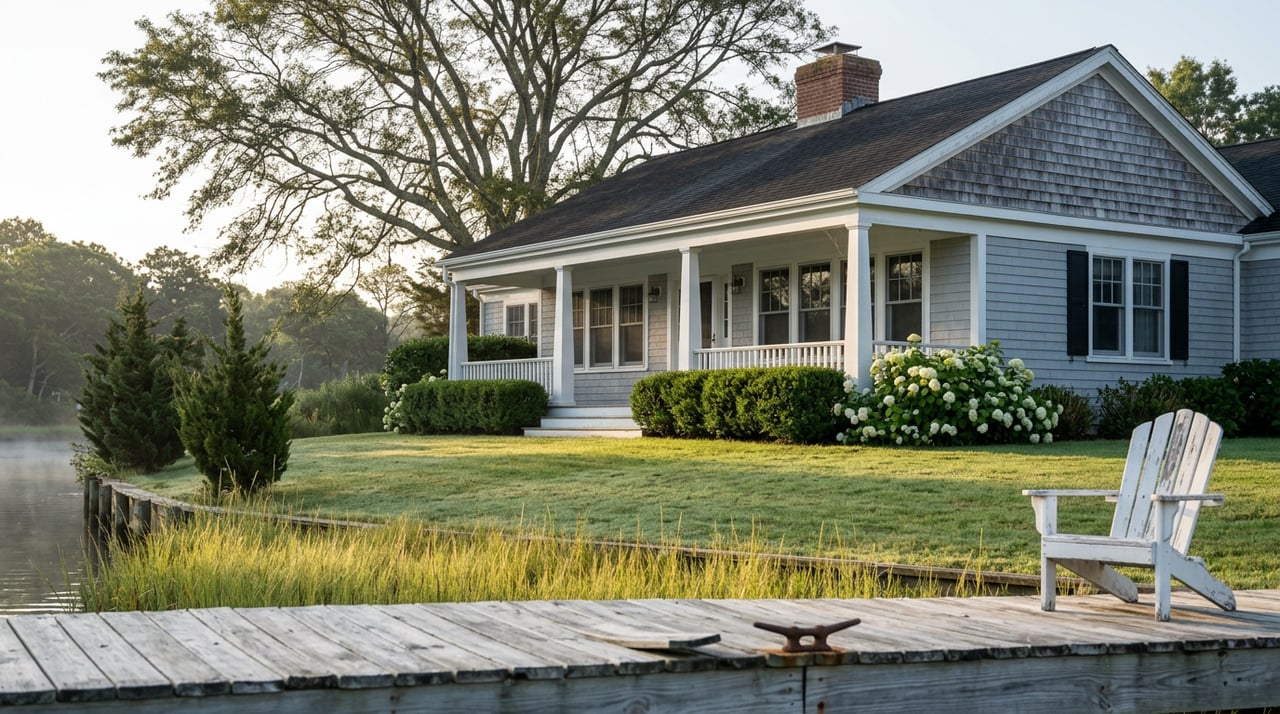
That setting matters when you are buying or selling because community appearance and exterior changes are often shaped by recorded covenants, HOA rules, and local government requirements. In Springfield, where the HOA site notes that some homes are on 2 to 5 acre lots and some are located on Peachblossom Creek, exterior work may involve additional questions if the property is near water.
If you are buying in Cooke’s Hope, the HOA paperwork is more than a stack of forms. Under Maryland law on HOA disclosures, sellers must provide key information that can include fees, management contacts, pending lawsuits or covenant matters, and copies of the declaration, recorded covenants and restrictions, bylaws, and rules.
Those records can tell you whether there are limits on architectural changes, exterior design, paint color, landscaping, leasing, vehicles, or other property use issues. If you are planning updates after closing, these documents should be one of your first stops.
For sellers, this paperwork is just as important. The Maryland Department of Housing and Community Development explains that buyers in common ownership communities have rights to receive disclosures within the required time frame, and in some situations may cancel within five days after receiving them if they were not delivered early enough in the process. DHCD also notes that owners can request certificates and other selling documents from the HOA.
Before you move forward on a Cooke’s Hope purchase, compare the HOA documents with the actual condition of the property. That sounds simple, but it can reveal important issues.
For example, if you see a shed, new fence, exterior color change, pool feature, or landscaping work, ask whether approvals were required and whether they were obtained. If you are hoping to add any of those improvements later, check whether the governing documents or local permit rules could affect your plans.
A good buyer review list includes:
Cooke’s Hope maintains a public Documents page and a member portal, which can help point you in the right direction. The HOA contact information listed publicly includes 7014 Cheston Way, Easton, MD 21601, phone 410-690-4336, and [email protected].
If you are preparing to sell in Cooke’s Hope, timing matters. Requesting the HOA package early can help you avoid delays once a buyer is under contract.
This is especially important because Maryland law ties buyer rights to when HOA information is delivered. It is also smart to confirm your fee status, check for any open violations, and make sure you understand whether past exterior work needed approval.
Before listing, consider verifying:
If you are unsure about any of those items, sorting them out before you go live can make negotiations smoother.
One of the biggest points of confusion in Cooke’s Hope is that HOA approval and town approval are not the same thing. You may need one, the other, or both.
Talbot County states that its code compliance office does not have zoning or code enforcement jurisdiction inside incorporated Easton. In practical terms, that means exterior work in Cooke’s Hope should generally be checked against Easton rules first, then against HOA documents.
According to Easton’s building permit requirements, a permit is required before an owner or authorized agent constructs, enlarges, alters, moves, demolishes, or changes a building or structure, subject to limited repair exemptions. That can affect projects such as additions, structural changes, and certain accessory improvements.
For fences, pools, and spas, Easton’s permit packet requires site plans, project details, and a description of the work. Importantly, that same application also requires the applicant to certify compliance with applicable covenants and deed restrictions. In other words, even if you satisfy town requirements, you still need to respect HOA rules.
Some projects are more likely than others to trigger both HOA review and local permitting. In Cooke’s Hope, these often include:
Easton’s fence, pool, and spa permit application also notes that fence styles permitted within forest conservation easements are limited to specific types, including a 4-foot wooden fence, a 3-rail split-rail fence, or in some limited situations a 4-foot paddock-style fence.
The same packet explains that some small accessory structures may be exempt from building permit review, but that does not override other code requirements or private covenant restrictions. It also states that docks, piers, and shoreline protection are exempt from a building permit yet still require a zoning certificate from Easton Planning and Zoning.
If the home is near Peachblossom Creek or another tidally influenced water feature, you may need to look beyond standard HOA and building permit questions. Easton’s Critical Area Program applies to land within 1,000 feet of Chesapeake Bay tidally influenced waters and states that the 100-foot buffer must remain natural.
In those areas, tree removal and vegetation clearing can trigger additional requirements such as tree-removal permits, buffer management plans, vegetation-removal permits, and native replanting. Because the Cooke’s Hope website says some Springfield homes are on Peachblossom Creek, some lots may be more likely to face these rules.
That does not confirm any specific parcel is affected. It simply means buyers and sellers should ask the question early when a property is near water or when landscaping and shoreline work are part of the plan.
If you want to stay organized, it helps to follow a clear order of operations. This can save time and reduce surprises.
Review the declaration, covenants, bylaws, rules, fees, and any notices tied to the property. If you are buying, compare those documents to the home’s current exterior features and your future plans.
If the project involves construction, structural changes, fences, pools, sheds, docks, or tree work, review the relevant Easton requirements. For Cooke’s Hope properties, Easton is generally the local authority to check first for permits and zoning questions.
Some projects need both HOA review and town approval. A project can satisfy one set of rules and still have a problem under the other, so treat them as separate steps.
If anything is unclear, contact the HOA manager and confirm the current process. If the issue is more complex, especially for waterfront or environmentally regulated lots, professional guidance can be worthwhile.
For buyers, understanding HOA and design rules helps you avoid purchasing a home with unknown compliance issues or making plans that later hit a roadblock. For sellers, early verification can reduce contract friction and help keep your transaction on schedule.
In a community like Cooke’s Hope, where aesthetics, shared standards, and local permitting can all play a role, good preparation goes a long way. If you want experienced guidance as you buy or sell in Easton and the Mid-Shore, Chuck Mangold, Jr. can help you navigate the details with a practical, local perspective.



Get assistance in determining current property value, crafting a competitive offer, writing and negotiating a contract, and much more. Contact me today.