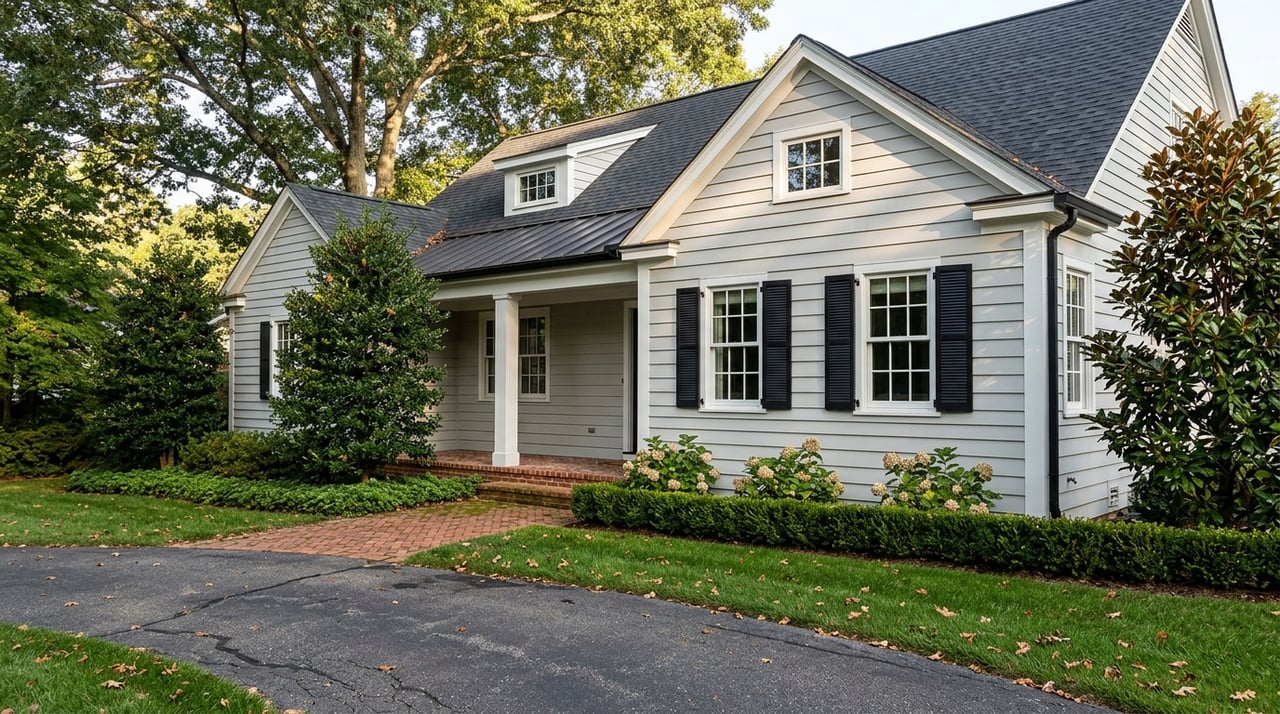
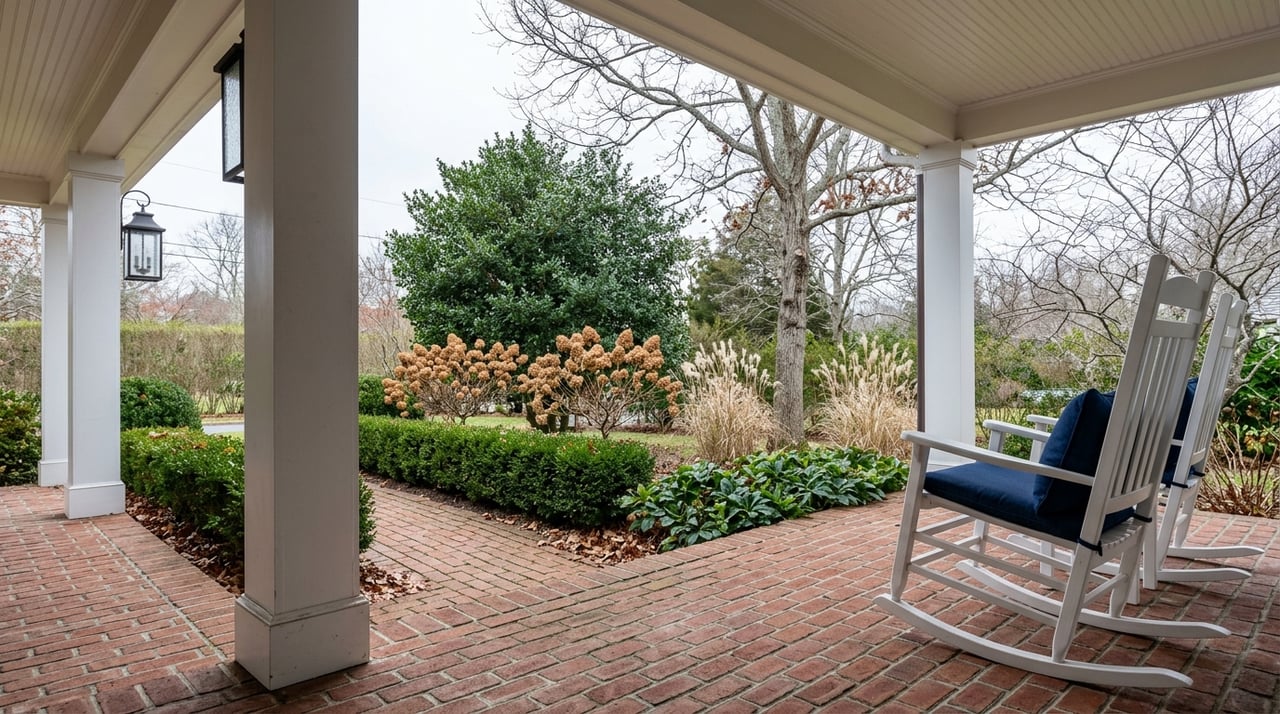
Torn between the charm of a century-old porch and the convenience of a turnkey newer build? You are not alone. In Easton, the choice often comes down to lifestyle, maintenance, approvals, and long-term costs. This guide walks you through what truly matters in Talbot County so you can decide with confidence. Let’s dive in.
What “historic” means in Easton
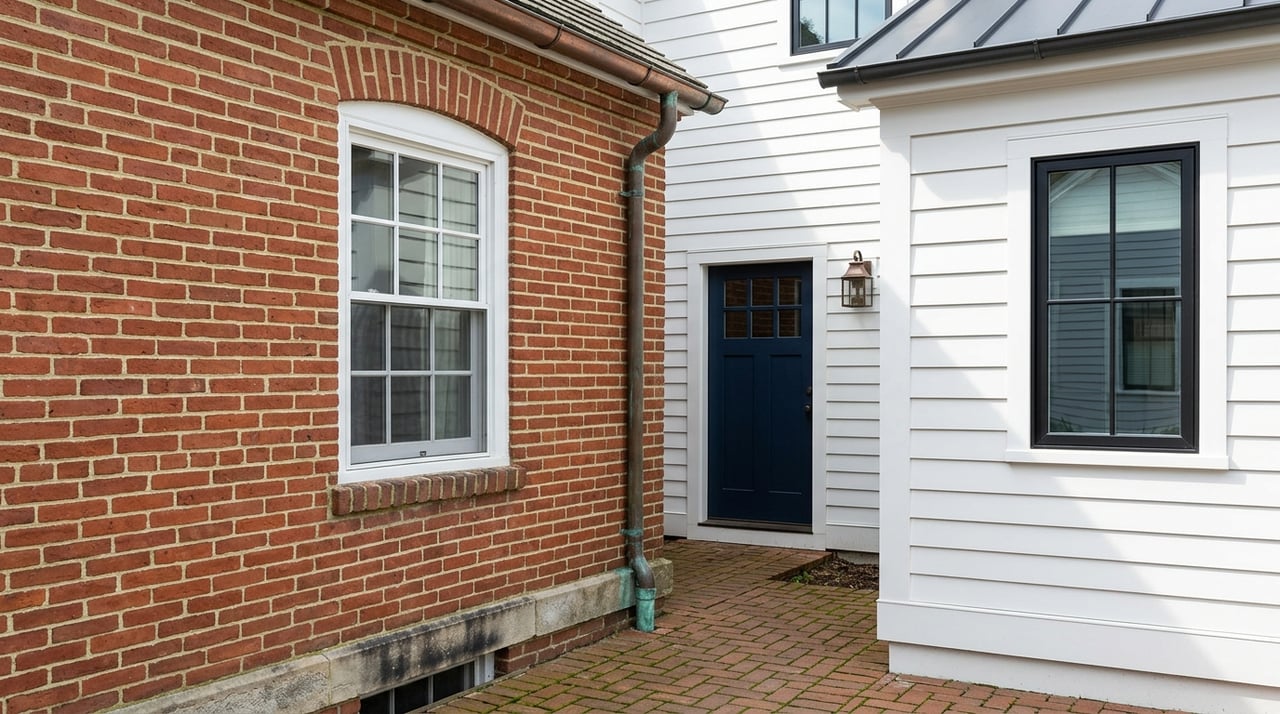
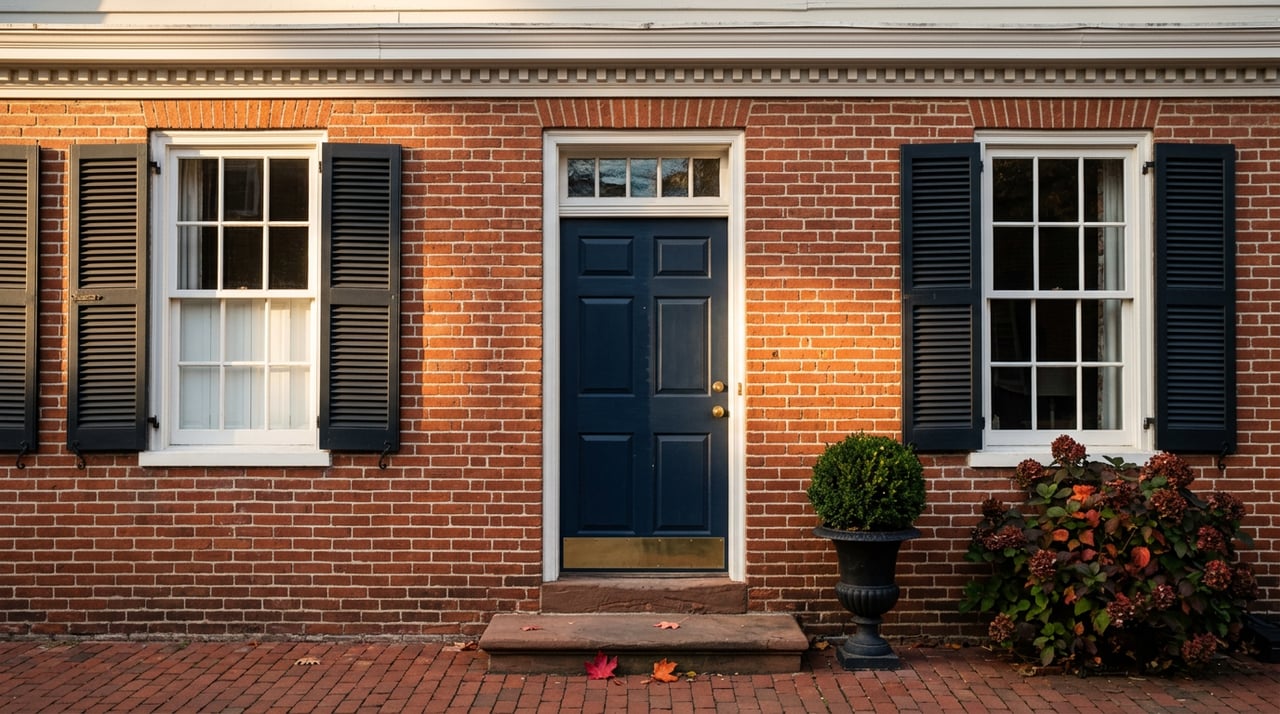
Easton’s downtown core includes the Easton Historic District, recognized for Federal, Victorian, and early‑20th‑century architecture with tall ceilings, original woodwork, porches, and masonry details that define the town’s character. You can explore the district’s background in the National Register documentation for the Easton Historic District.
If you are looking at a property in or near downtown, ask whether it is a contributing resource to the district. Contributing status can affect local approvals and eligibility for certain state incentives.
Benefits of historic homes
- Architectural character. Original millwork, brick chimneys, wood floors, and period façades offer a style you cannot easily replicate today.
- Walkable lifestyle. Proximity to downtown dining, arts, and events adds everyday convenience and appeal.
- Potential incentives. Maryland offers a homeowner historic rehabilitation tax credit for qualified projects on certified historic properties. For current program structure and reporting, see the Maryland Historical Trust’s Historic Revitalization Tax Credit Year‑End Report.
Keep in mind that exterior changes in Easton’s local historic district typically require review by the Historic District Commission (HDC). You can read the Town’s current HDC rules of procedure to understand what work needs approval.
Tradeoffs with historic homes
Older homes often need more frequent care. Common issues include limited insulation, single‑pane windows, aging electrical panels or wiring, older plumbing, masonry repointing needs, and wood rot or moisture around porches and trim. The National Park Service outlines low‑impact ways to improve comfort and efficiency in historic buildings in its energy efficiency brief.
If you plan to renovate, assume you may encounter lead‑based paint in pre‑1978 houses and, in some cases, asbestos in older materials. The EPA explains when certified contractors and special work practices are required under the RRP rules.
Insurance and financing can also feel different with older systems. Some insurers scrutinize the age and condition of roofs, electrical, plumbing, and HVAC, which can affect premiums or coverage until updates are made. Learn how carriers assess older systems in this overview of a “4‑point” inspection.
Finally, flood and drainage risk matter across Talbot County. Before you bid, check FEMA and county resources and ask for any elevation certificate. Start with the county’s floodplain information page.
Advantages of newer homes
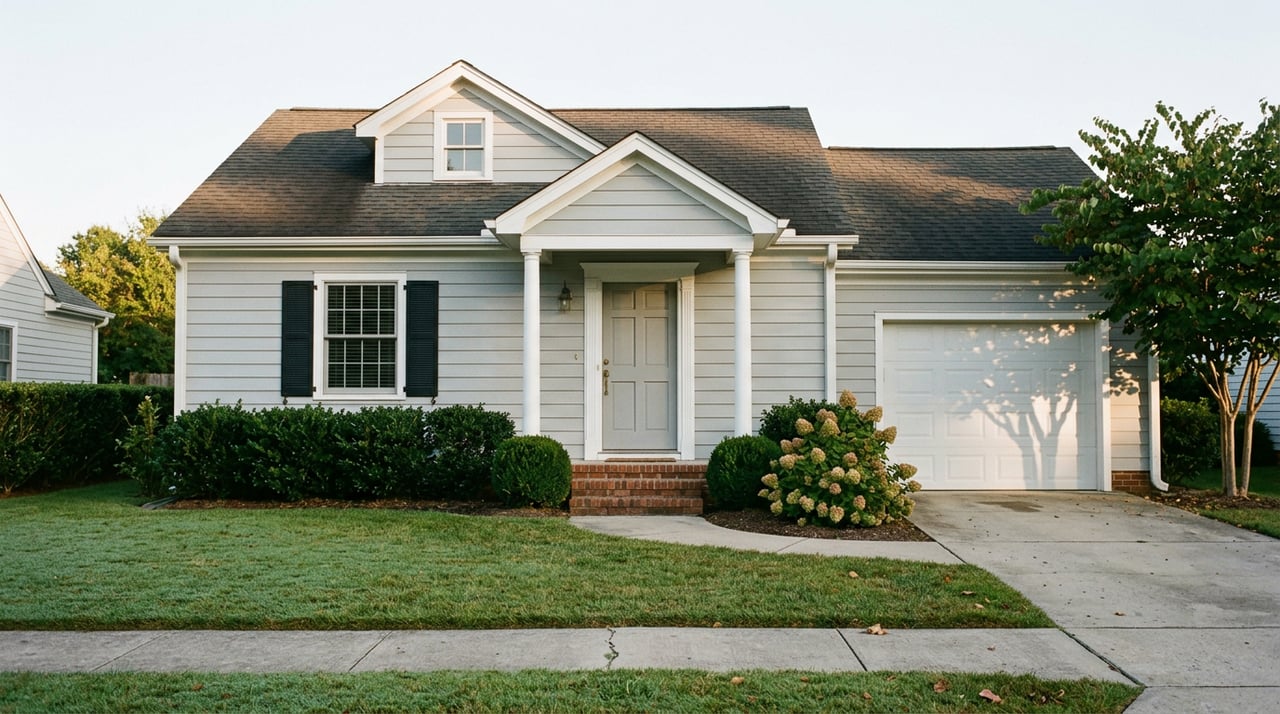
- Lower near‑term maintenance. Modern framing, insulation, windows, roofing, and HVAC reduce immediate repair lists.
- Contemporary layouts. Open kitchens, larger closets, and attached garages suit today’s lifestyles.
- Code‑level safety and efficiency. New builds are constructed to current building and energy codes, which typically means tighter envelopes, better air sealing, and modern electrical and plumbing systems.
Tradeoffs include fewer period details and, depending on the neighborhood, less of the downtown street‑to‑street charm you see in Easton’s historic core.
What it costs: maintenance and upgrades
Budgets vary by home and project. As a general guide, many homeowners set aside funds each year for routine upkeep and increase that amount as the home ages. A plain‑English overview of maintenance budgeting is available from The Balance: how to budget for home maintenance.
For older homes, build in extra contingency for:
- Electrical updates if panels or wiring are obsolete.
- Targeted insulation, air‑sealing, and HVAC right‑sizing.
- Window and door repair or interior storm inserts.
- Masonry repointing and wood trim or porch repairs.
- Drainage, grading, or gutter improvements if moisture is an issue.
For newer homes, focus on:
- Warranty timelines and what they cover.
- Future lifecycle items like roof, HVAC, and water heater replacement based on manufacturer guidance.
Energy performance and comfort
You can improve comfort in a historic home without losing character. The National Park Service recommends starting with air sealing, attic insulation, weather‑stripping, interior storm windows, HVAC upgrades, and selective duct or wall improvements. See the NPS energy efficiency brief for practical, preservation‑friendly steps.
In a newer home, you begin closer to modern standards because today’s codes require better insulation and air barriers. That said, simple measures like duct sealing, smart thermostats, and right‑sized equipment can still deliver gains.
If you intend to add solar or complex HVAC, identify the utility serving the property early. Interconnection rules, net metering, and contractor coordination can vary.
Permits, approvals, and credits in Easton
- HDC approvals. Exterior work within Easton’s local historic district usually requires HDC review. Read the Town’s HDC rules and ask sellers for prior approvals.
- Maryland historic tax credits. For owner‑occupied properties that qualify, the Maryland Historical Trust offers a homeowner rehabilitation tax credit for certified work. Program structures and requirements can change. Review the MHT’s latest year‑end report and consult MHT before you start any work.
- Federal and state energy incentives. Federal residential clean‑energy and efficiency credits changed in 2025. Do not assume 2026 installations automatically qualify. Check the IRS’s current FAQ on recent changes and speak with a tax professional. Maryland is also preparing IRA‑funded rebate programs. Track updates on the MEA Home Energy Rebate page.
Due diligence checklist
Use this quick list to compare properties and avoid surprises:
- Confirm historic status. Ask whether the home is a contributing resource to the Easton Historic District. This can affect both approvals and incentives.
- Pull records. Request maintenance logs, permits, and any prior HDC approvals from the seller. Review the Town’s HDC rules to see what was required.
- Order inspections. Line up a general home inspection, plus specialists where needed: licensed electrician, plumber, HVAC contractor, structural engineer, chimney pro, and pest/wood‑destroying‑organism inspector. Add environmental testing if you plan to disturb old finishes.
- Check flood info. Verify FEMA and county maps, and request any elevation certificate. Start with Talbot’s floodplain resources.
- Call insurers early. Ask how the age and condition of systems might affect coverage or premiums. For context on how carriers evaluate older systems, review the 4‑point inspection concept.
- Validate incentives. If you intend energy upgrades or a historic rehabilitation, confirm current IRS and MEA guidance, and contact MHT before beginning any work.
Market snapshot: quick context
As of February 2026, Redfin reported a median sale price around $460,000 in Easton. Figures vary by source and timing, and methods differ between median sale prices and estimated values. Use a current MLS or a trusted local broker for live numbers when you are ready to write an offer.
How to decide: a simple framework
Use these questions to match a home to your goals:
- Location and lifestyle
- Do you prefer a walkable downtown setting or a quieter neighborhood farther out?
- Do you want a home that reflects Easton’s historic streetscape, or would you trade that for a newer subdivision feel?
- Project appetite and timeline
- Are you comfortable with phased improvements and navigating approvals, or do you need a low‑maintenance move‑in plan?
- Can you live through selective upgrades, or do you want work complete before move‑in?
- Budget and carrying costs
- Have you set aside an annual maintenance budget that fits the home’s age and condition? Review this maintenance budgeting guide for a starting framework.
- Have you priced likely upgrades, from electrical to insulation, and compared that with any premium you would pay for a newer turnkey home?
- Risk and insurance
- If the property is older, will current systems affect your coverage or rate? Ask insurers up front.
- Is the home in or near a flood zone, and do you understand potential insurance requirements?
- Incentives and approvals
- If you want to use historic tax credits, are you willing to follow MHT’s certification process and the Town’s HDC review for exterior work?
- If you plan energy improvements, have you checked eligibility windows for any federal and state programs?
In short, choose a historic home if you value period architecture and downtown access, and you are prepared for a more hands‑on approach to maintenance, approvals, and thoughtful upgrades. Choose newer construction if you want lower immediate upkeep, modern layouts, and a simpler ownership path from day one.
Ready to compare options side by side, schedule inspections, or weigh long‑term costs? Reach out to Chuck Mangold, Jr. for local guidance tailored to your priorities in Easton and across Talbot County.
FAQs
What does “historic district” status mean in Easton?
- It means exterior changes to properties within the local district often require Historic District Commission review, and contributing status can affect eligibility for state historic tax credits.
How do I check flood risk for a home in Easton, MD?
- Review county and FEMA maps, ask for any elevation certificate, and start with Talbot County’s official floodplain resources.
Are energy upgrades allowed on historic Easton homes?
- Yes, but prioritize low‑impact measures like air sealing, attic insulation, and interior storm windows as outlined in the NPS energy efficiency brief, and follow local HDC processes for exterior changes.
What incentives exist for historic home renovations in Maryland?
- The Maryland Historical Trust runs a homeowner rehabilitation tax credit for certified projects. Review the latest MHT report and contact MHT before starting work.
Did federal clean‑energy tax credits change for 2026 projects?
- Several federal credits were modified in 2025; some do not apply to property placed in service after December 31, 2025. Check the IRS’s current FAQ and speak with a tax professional.
How do insurers view older home systems in Easton?
- Many carriers evaluate the age and condition of roofs, electrical, plumbing, and HVAC before issuing or renewing policies, which can affect premiums or coverage.