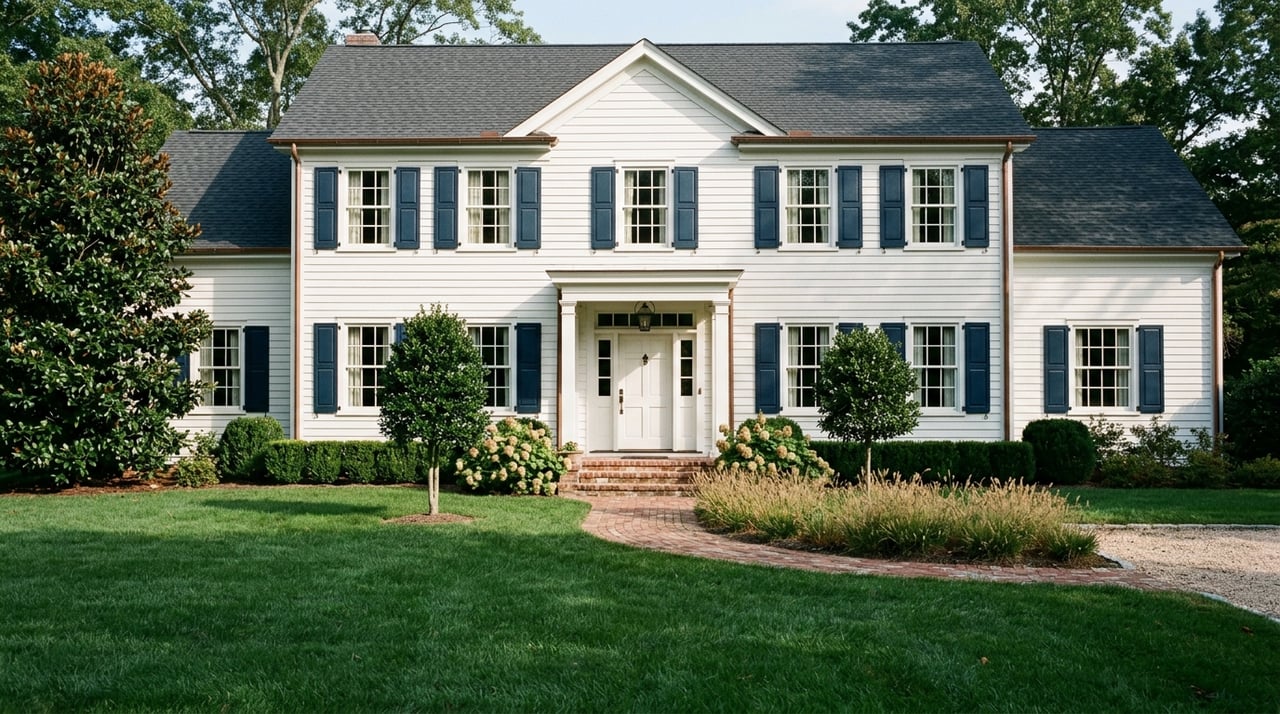
Selling Your Prospect Bay Home: What To Expect
July 23, 2026
July 23, 2026
If you are thinking about selling in Prospect Bay, you are not just putting a house on the market. You are offering a full Eastern Shore lifestyle package that buyers will weigh carefully, from the home itself to the setting, amenities, and what conveys with the property. When you know what to expect before you list, you can price more accurately, prepare more strategically, and move through the process with fewer surprises. Let’s dive in.
Prospect Bay is an established community in Grasonville on Eastern Bay, about 10 miles east of the Chesapeake Bay Bridge. The community includes around 320 homes, along with amenities such as an 18-hole championship golf course, clubhouse dining, pool, tennis and pickleball, marina and boat basin, and a full social calendar.
That matters when you sell because buyers are often comparing more than square footage or finishes. In Prospect Bay, they are also looking at how your property connects to the community setting, outdoor lifestyle, and club or HOA benefits that may transfer with the sale.
The club states that membership conveys with lots governed by the Prospect Bay West HOA. That makes it especially important to understand what rights and privileges are included before your home hits the market.
One of the clearest things sellers should expect is a broad price range. Recent sales in Prospect Bay have ranged from $390,000 and $460,000 to $670,000, $1.35 million, and as high as $2.295 million.
That spread tells you something important. Buyers are paying very different prices based on the home’s condition, features, location within the community, and overall lifestyle appeal.
For broader Grasonville context, recent market data shows a median listing price of $674,900, a median sold price of $554,750, and 40 days on market. In other words, the local market can reward the right home quickly, but it does not leave much room for overpricing.
A Prospect Bay listing history from 2025 shows how pricing can shape the whole outcome. One home was listed at $799,000, removed after 78 days, relisted at $759,900, and then sold for $739,000.
The lesson is simple. Your first price and first impression carry real weight, especially in a community where buyers can compare a wide range of homes and value points.
A strong launch can help you attract attention early, when your listing is freshest. A weak launch can lead to longer market time, price reductions, and tougher buyer negotiations later.
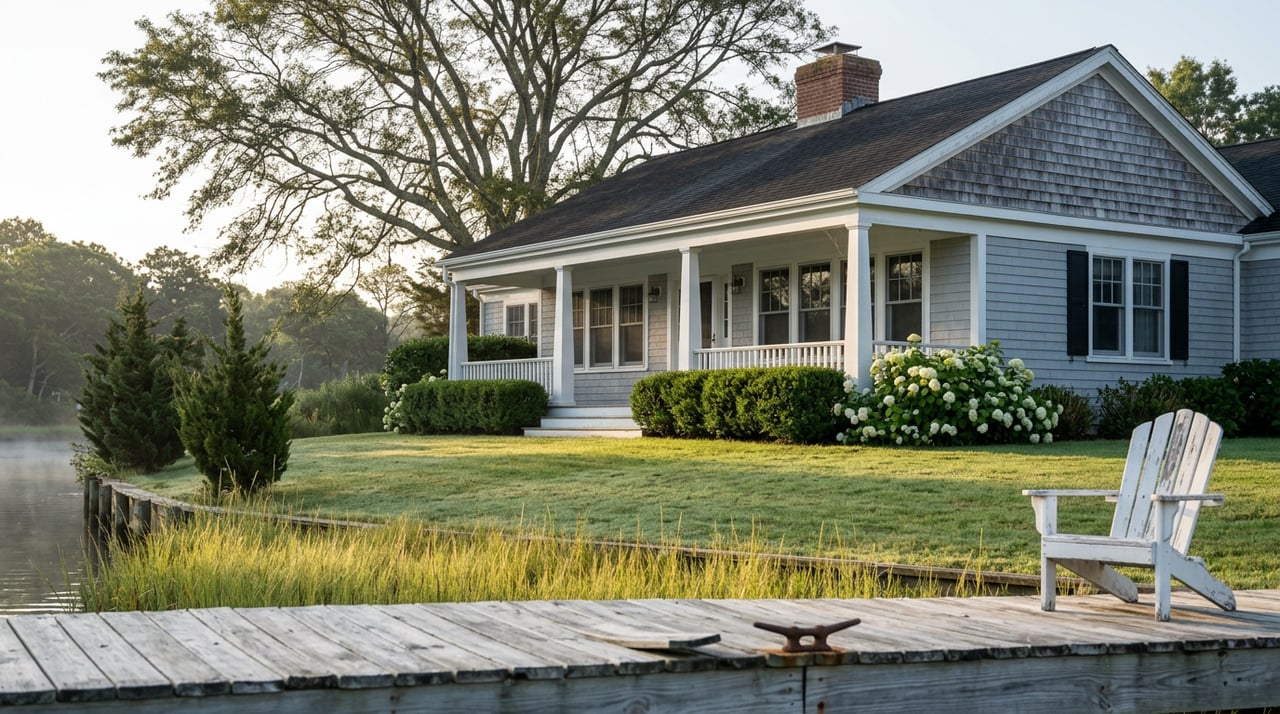
In Prospect Bay, buyers are usually evaluating the full package. They may care about your home’s updates and layout, but they are also likely to notice outdoor living areas, water orientation, golf or marina access, and how clearly the property’s community benefits are presented.
That means your sale is not just about decluttering and cleaning, although those still matter. It is also about helping buyers understand the home’s place within the larger Prospect Bay lifestyle.
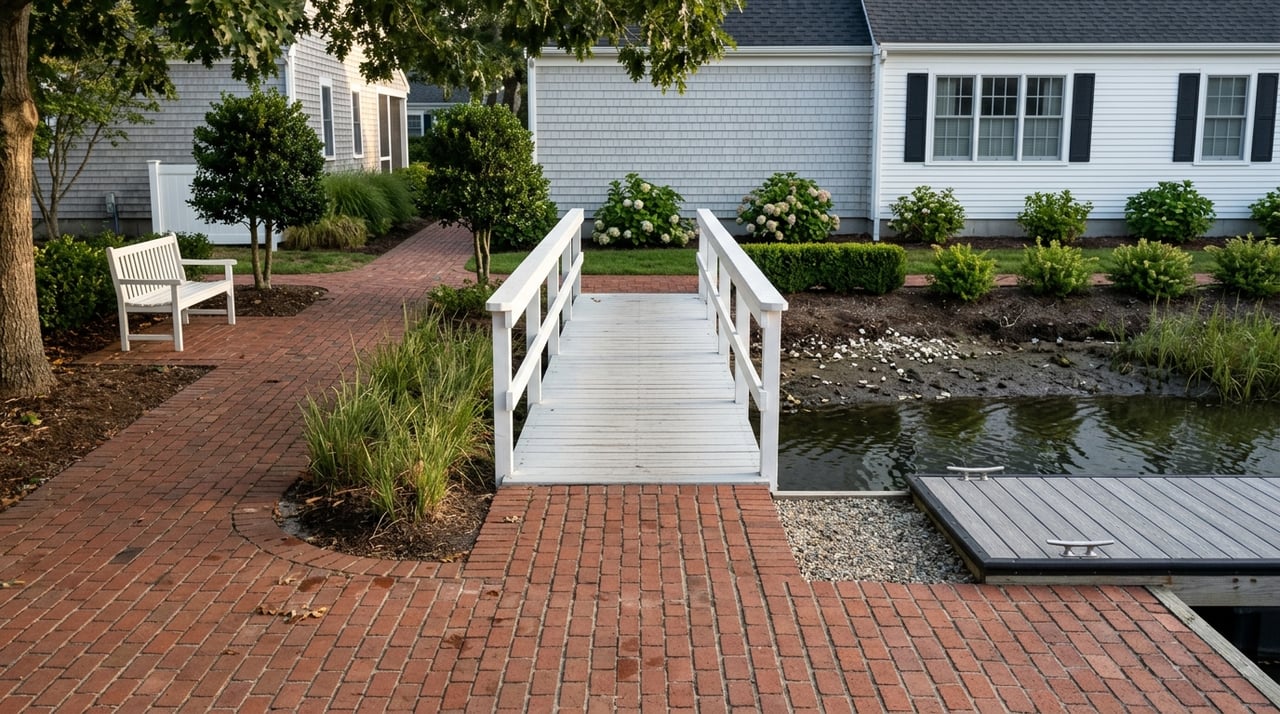
The community’s marina and boat basin, fishing piers, picnic tables, and kayak launch all add context for buyers comparing homes here. If your property includes rights related to a boat slip, waterfront use, or club privileges, those details should be identified clearly and early.
Buyers often want those answers before they feel ready to move forward. If the information is vague or delayed, it can create hesitation during showings or contract review.
The most successful Prospect Bay sales are usually the ones that feel organized from day one. Before your home goes live, it helps to gather documents, confirm what conveys, and prepare the property like a lifestyle-focused listing.
A practical pre-listing checklist includes:
This kind of preparation helps buyers understand the property more quickly. It also helps reduce avoidable questions once offers start coming in.
Because Prospect Bay is tied so closely to setting and amenities, your marketing should show more than interior rooms. Professional photography, a thoughtful showing plan, and clear presentation of outdoor spaces can all help buyers see the property in context.
This is especially important if your home has features that connect to the community lifestyle, such as views, outdoor entertaining areas, water access, or proximity to amenities. In a neighborhood with a wide price spread, presentation helps buyers understand where your home fits.
Many sellers want one simple answer to the question, “How long will this take?” In Prospect Bay, the honest answer is that timing can vary quite a bit.
One high-end sale reportedly went under contract after just 2 days on market. Another listing took months, came off the market, relaunched, and sold later at a lower price.
That is why it is better to think of the process in stages instead of one fixed timeline. In Queen Anne’s County, a practical way to view the sale is:
A settlement-ready file can make the back end of the sale smoother. In Queen Anne’s County, deeds must be reviewed and stamped by the county Finance Office before recording, and change-of-ownership documents require an intake sheet, a certificate of preparation, and payment of recording fees and taxes.
You may not handle those filing steps personally, but you should expect them to be part of the closing process. The more complete your paperwork is up front, the easier it is to keep things moving.
Your exact closing costs depend on the structure of the deal, but Queen Anne’s County publishes several charges that sellers should know. Current county guidance for the 2026 to 2027 tax year lists:
These charges are part of why it helps to discuss your likely net proceeds before listing. It is much easier to make pricing decisions when you understand the bigger financial picture.
If your buyer is a first-time Maryland homebuyer who will occupy the property as a principal residence, the transfer tax is reduced to 0.25% at both the state and county levels. Queen Anne’s County code also states that the county transfer tax is generally payable by the seller in full when improved residential property is sold to a first-time Maryland homebuyer, unless the contract says otherwise.
That does not mean every deal will be structured the same way. It does mean that buyer status can affect your costs, so it is smart to understand that possibility early.
If you are a second-home owner who lives outside Maryland, pay close attention to the state’s withholding rules. Unless an exemption applies, the deed may not be recorded unless payment is made equal to 8.0% of the total payment to a nonresident individual or 8.25% to a nonresident entity.
The closing agent typically handles the forms and payment at settlement, but you should still be prepared for this issue well before closing day. For many Prospect Bay owners, this is one of the most important financial details in the transaction.
Selling your Prospect Bay home is rarely just a basic list-and-close process. It is a more layered sale where pricing, presentation, amenity details, and paperwork readiness all play a meaningful role.
If you go in expecting buyers to evaluate both the property and the lifestyle it offers, you can make smarter decisions from the start. That usually leads to a cleaner launch, stronger buyer confidence, and a better chance of protecting your final result.
When you are ready to position your home with the kind of strategy and presentation Prospect Bay demands, Chuck Mangold, Jr. can help you plan your next move with local insight and experienced guidance.
Get assistance in determining current property value, crafting a competitive offer, writing and negotiating a contract, and much more. Contact me today.